
-
PRODUCTS
-
-
-
SERVICE
-
-
CONTACT





Blog
Get the latest news immediately and stay up-to-date with global trends!
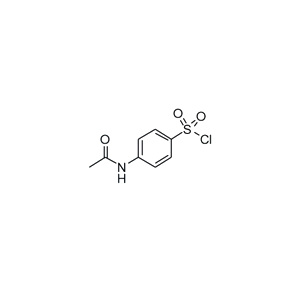
N-acetylsulfanilyl Chloride: A Key Player in Modern Medicine
N-acetylsulfanilyl chloride is an essential compound that holds significant importance in the pharmaceutical industry. This article delves into the various aspects of this potent intermediate, highlighting its applications, synthesis, and role in the development of modern medicinal compounds. By understanding its significance, we can bet
Gemcitabine T8 is a crucial compound in the realm of medicinal chemistry, known predominantly for its role in cancer treatment. This nucleoside analog, derived from deoxycytidine, exhibits significant antitumor activity by interfering with DNA synthesis. Gemcitabine T8 is particularly effective against various types of solid tumors, including pancreatic, lung, and breast cancers. Understanding its
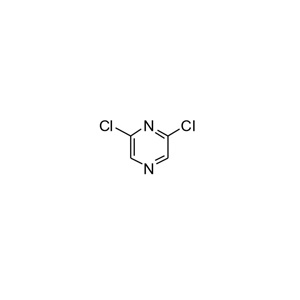
Quality 2,6-Dichloropyrazine is a highly valued chemical compound known for its outstanding stability and reactivity. As a key intermediate in pharmaceutical and agrochemical synthesis, Quality 2,6-Dichloropyrazine plays a vital role in the development of active ingredients. Its dual chlorine-substituted pyrazine structure ensures reliable performance in complex chemical reactions, making it an essential choice for research and industrial applications. With strict quality control measures, Quality 2,6-Dichloropyrazine guarantees consistent purity and effectiveness, contributing to enhanced productivity across multiple sectors.
Gemcitabine T8: An In-Depth Exploration of Its Development and Applications in Chemotherapy
2025-03-27
Gemcitabine T8: A Comprehensive Overview of Its Development and Use
Table of Contents
1. Introduction to Gemcitabine T8
2. Historical Context and Development of Gemcitabine T8
3. Mechanism of Action
4. Clinical Applications of Gemcitabine T8
5. Efficacy and Safety Profile
6. Challenges in the Use of Gemcitabine T8
7. Future Research and Developments
8. Conclusion
Gemcitabine T8 is an important chemotherapeutic agent primarily used in the treatment of various types of cancer, including pancreatic, lung, and bladder cancer. As a nucleoside analog, Gemcitabine mimics the building blocks of DNA, ultimately disrupting the synthesis of DNA and RNA in rapidly dividing cancer cells. This mechanism is crucial, as it not only inhibits tumor growth but also promotes

Tel:+86-570-8750500-8183/8185
Fax:+86-570-8750617 / 8750612
Add:No.36 Huayang Road, Hi-tech Industry Zone Quzhou City Zhejiang, China

Jason
Tel: 0086 13357006799
WhatsApp: +86 13357006799
Email: zhl@zcpc.net
Landline:0086-0570-8750611

Eason
Steve
Copyright © 2024 Zhejiang Chemsyn Pharm Co.,Ltd.