
-
PRODUCTS
-
-
-
SERVICE
-
-
CONTACT





Blog
Get the latest news immediately and stay up-to-date with global trends!
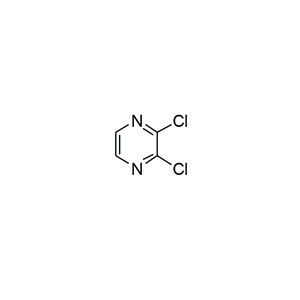
2,3-Dichloropyrazine is an important chemical compound commonly used as an intermediate in various pharmaceutical applications. Its molecular structure consists of a pyrazine ring with two chlorine atoms attached at the 2 and 3 positions, giving it unique chemical properties. Understanding these properties is essential for professionals involved in drug development and synthesis.
One of the most s
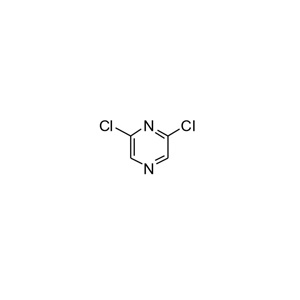
Understanding the Chemical Properties of 2,6-Dichloropyrazine
Table of Contents
1. Introduction to 2,6-Dichloropyrazine
2. Chemical Structure and Composition
3. Physical Properties of 2,6-Dichloropyrazine
4. Synthesis Methods of 2,6-Dichloropyrazine
5. Applications in Pharmaceutical Chemistry
6. Toxicology and Safety Considerations
7. Environmental Impact of 2,6-Dichlo

Sulfachloropyrazine Sodium is a sulfonamide antibiotic that has been widely utilized in veterinary medicine, particularly for the treatment of bacterial infections in livestock. As a member of the sulfonamide family, it shares a common mechanism of action, primarily by inhibiting the synthesis of folic acid in bacteria. This action effectively disrupts bacterial growth and reproduction, making it
The Impact of 4-Chlorophthalic Acid on Pharmaceutical Synthesis: A Comprehensive Analysis
2025-02-06
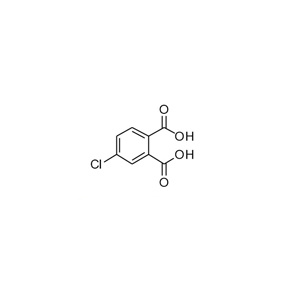
The Impact of 44-Chlorophthalic Acid is an important chemical compound widely used in various industrial and research applications. As a derivative of phthalic acid, 4-Chlorophthalic Acid serves as a key intermediate in the synthesis of dyes, agrochemicals, and pharmaceuticals. Its unique chemical properties make it valuable for organic synthesis, particularly in the production of high-performance materials and specialty chemicals.-Chlorophthalic Acid on Pharmaceutical Synthesis
Table of Contents
1. Introduction to 4-Chlorophthalic Acid
2. Chemical Properties of 4-Chlorophthalic Acid
3. Synthesis Methods of 4-Chlorophthalic Acid
4. The Role of 4-Chlorophthalic Acid in Pharmaceutical Synthesis
5. Applications in Drug Development
6. Advantages and Limitations of Using 4-Chlorophthalic A
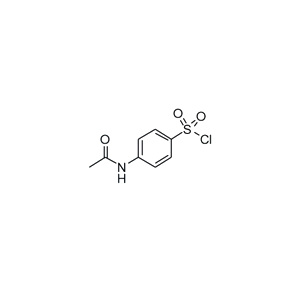
N-Acetylsulfanilyl Chloride is a key chemical intermediate renowned for its critical role in the synthesis of sulfonamide-based pharmaceuticals and antibiotics. This compound, featuring both acetyl and sulfonyl chloride functional groups,

Tel:+86-570-8750500-8183/8185
Fax:+86-570-8750617 / 8750612
Add:No.36 Huayang Road, Hi-tech Industry Zone Quzhou City Zhejiang, China

Jason
Tel: 0086 13357006799
WhatsApp: +86 13357006799
Email: zhl@zcpc.net
Landline:0086-0570-8750611

Eason
Steve
Copyright © 2024 Zhejiang Chemsyn Pharm Co.,Ltd.